Driving in Ireland brings its own set of challenges—from narrow country roads to unpredictable weather and busy city traffic. Whether you’re a new driver fresh from passing your test or someone who’s been driving for years, brushing up on defensive driving techniques can make every journey safer and less stressful.
Who This Is For
This guide is for:
- Learner drivers preparing for their test who want to build good habits from day one
- Passing drivers looking to stay safe on Irish roads
- Experienced drivers who want to reduce risk and drive more confidently in all conditions
Why Defensive Driving Matters in Ireland
Ireland’s roads can be tricky—wet surfaces, sharp bends, and occasional farm traffic mean you need to stay alert. Defensive driving isn’t about being overly cautious; it’s about being prepared. It means expecting the unexpected, giving yourself time to react, and making choices that keep you and others safe.
Step-by-Step: How to Start Driving Defensively
1. Keep a Safe Following Distance
In dry conditions, stay at least a 2-second gap behind the car ahead. In wet weather, double that to 4 seconds. Pick a fixed point (like a road sign) and count “one thousand, two thousand” after the car in front passes it. If you pass it before finishing, you’re too close.
2. Scan the Road Ahead
Don’t just look at the car in front. Keep your eyes moving—check mirrors every 5-8 seconds, glance at side streets, and watch for pedestrians stepping off the kerb or cyclists filtering through traffic.
3. Anticipate Other Drivers’ Mistakes
Assume others might not see you. If a driver is hesitating at a junction, slow down even if you have right of way. If someone’s tailgating you, don’t speed up—either let them pass or pull over safely.
4. Adjust for Weather
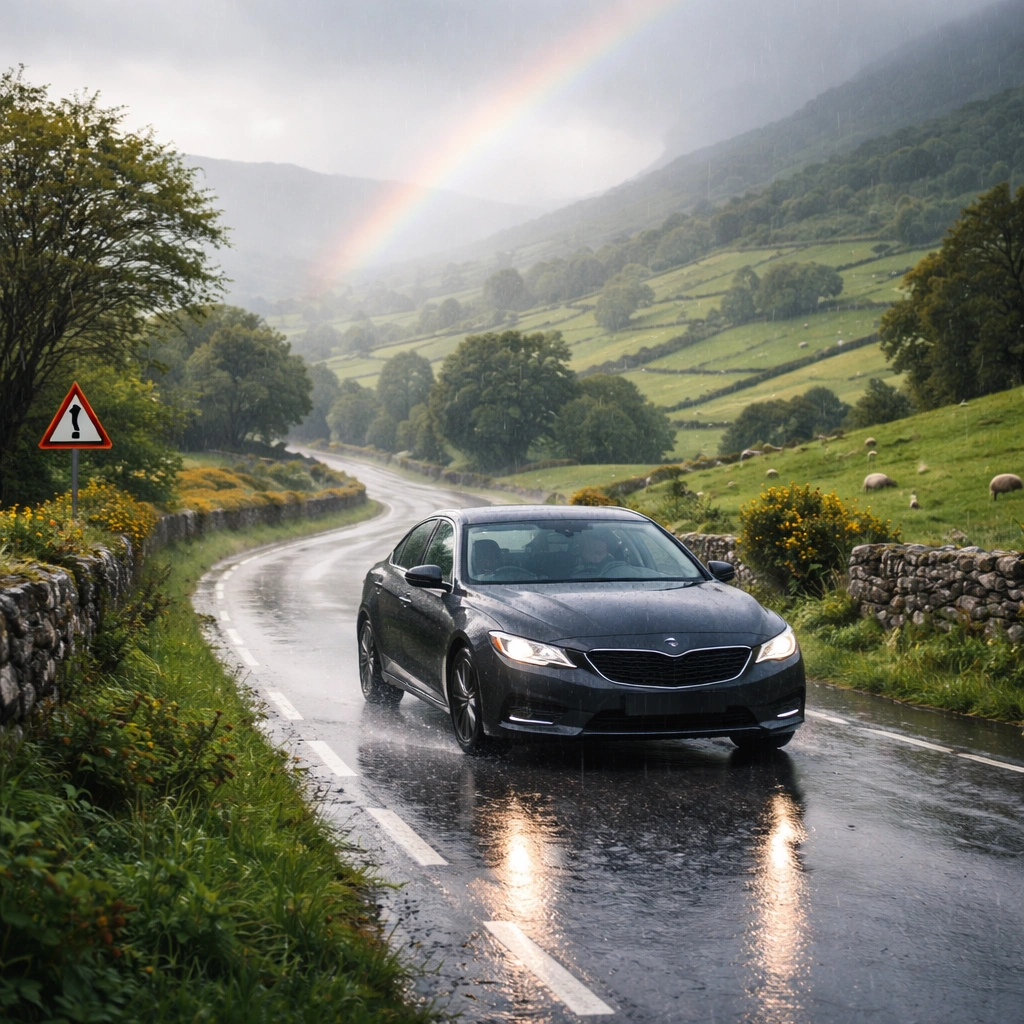
Ireland’s rain can turn roads slick quickly. Reduce speed, use dipped headlights in heavy rain or fog, and remember that stopping distances double when wet. On rural roads, watch for mud or leaves that can be slippery.
5. Position Yourself Wisely
On narrow roads, stay slightly left to give oncoming traffic space. At junctions, don’t block pedestrian crossings. When turning right, wait in the centre of the lane rather than creeping forward.
Common Mistakes to Avoid
- Driving too close to the car ahead – You won’t have time to react if they brake suddenly.
- Only looking straight ahead – Missing hazards from the sides or behind.
- Speeding in wet or icy conditions – Even if you’re under the limit, it might be too fast for the road surface.
- Assuming right of way means no risk – Always be ready to yield if it prevents a collision.
- Distracted driving – Even a quick glance at your phone can mean missing a pedestrian stepping out.
What to Expect in a Defensive Driving Lesson
A good defensive driving lesson will start with a chat about your current habits and any concerns. Your instructor might take you through scenarios like:
- Emergency stops in wet conditions
- Navigating busy roundabouts with multiple lanes
- Dealing with aggressive or unpredictable drivers
- Scanning for hazards on rural roads
>You’ll get real-time feedback and practice techniques until they feel natural. Many learners find these lessons boost confidence as much as skill.
Manual vs Automatic: Which Suits Defensive Driving?
| Manual | Automatic | |
|---|---|---|
| Control | Full control over gears and clutch | Focus on steering and scanning |
| Learning curve | Steeper—need to master clutch control | Easier for beginners |
| Best for | Those who want flexibility on all car types | City driving or stop-start traffic |
| Defensive driving focus | Requires more multitasking | Allows more attention to surroundings |
Why Choose Epic Driving School
At Epic Driving School, we believe safe driving is about more than passing the test. Our ADI-approved instructors tailor lessons to your needs, whether you’re learning manual or automatic, or brushing up on defensive techniques. We offer flexible scheduling, competitive rates, and a patient, supportive approach that helps you build confidence mile by mile.
Ready to Drive Safer?
If you’re keen to master defensive driving or just want to feel more secure on Irish roads, book a lesson with Epic Driving School today. Our instructors will help you spot hazards early, react calmly, and make smart decisions—so every trip is a safe one.
Frequently Asked Questions
1. What is defensive driving?
Defensive driving is a set of techniques that help you anticipate hazards, react safely, and reduce the risk of accidents. It’s about staying alert, keeping safe distances, and expecting mistakes from others.
2. How can I practice defensive driving as a learner?
Start by keeping a safe following distance, scanning the road ahead, and checking mirrors regularly. Your ADI can guide you through specific scenarios during lessons.
3. Does defensive driving help with the driving test?
Yes. Examiners look for safe, aware driving. Defensive habits—like proper observation and anticipation—are exactly what they assess.
4. Is manual or automatic better for defensive driving?
Automatic lets you focus more on scanning and reacting, while manual gives you full control. Both can be driven defensively; it depends on your comfort and the conditions you drive in most.
5. How do I handle aggressive drivers using defensive techniques?
Stay calm, don’t engage, and give them space. If they’re tailgating, slow slightly to encourage them to pass, or pull over safely if needed.
6. What should I do if I encounter bad weather?
Reduce speed, increase following distance, use appropriate lights, and avoid sudden movements. If conditions are extreme, consider delaying your trip.
7. Can defensive driving reduce my insurance costs?
Many insurers offer discounts for drivers who’ve completed advanced or defensive driving courses. It’s worth checking with your provider.
8. How often should I refresh my defensive driving skills?
Even experienced drivers benefit from a refresher every few years, especially if you notice new challenges on the roads or after a long break from driving.