Introduction
Recently a Galway councillor challenged the Road Safety Authority’s (RSA) approach to public messaging, calling parts of it “victim blaming.” The councillor’s blunt line—“children are not killed because of a lack of high‑vis vests”—has sparked discussion about what practical measures actually improve safety on Irish roads. As a driving school operating around Galway and across Ireland, we welcome a frank conversation about what keeps people safe: visibility helps, but it’s only one piece of the puzzle.
What the debate is about
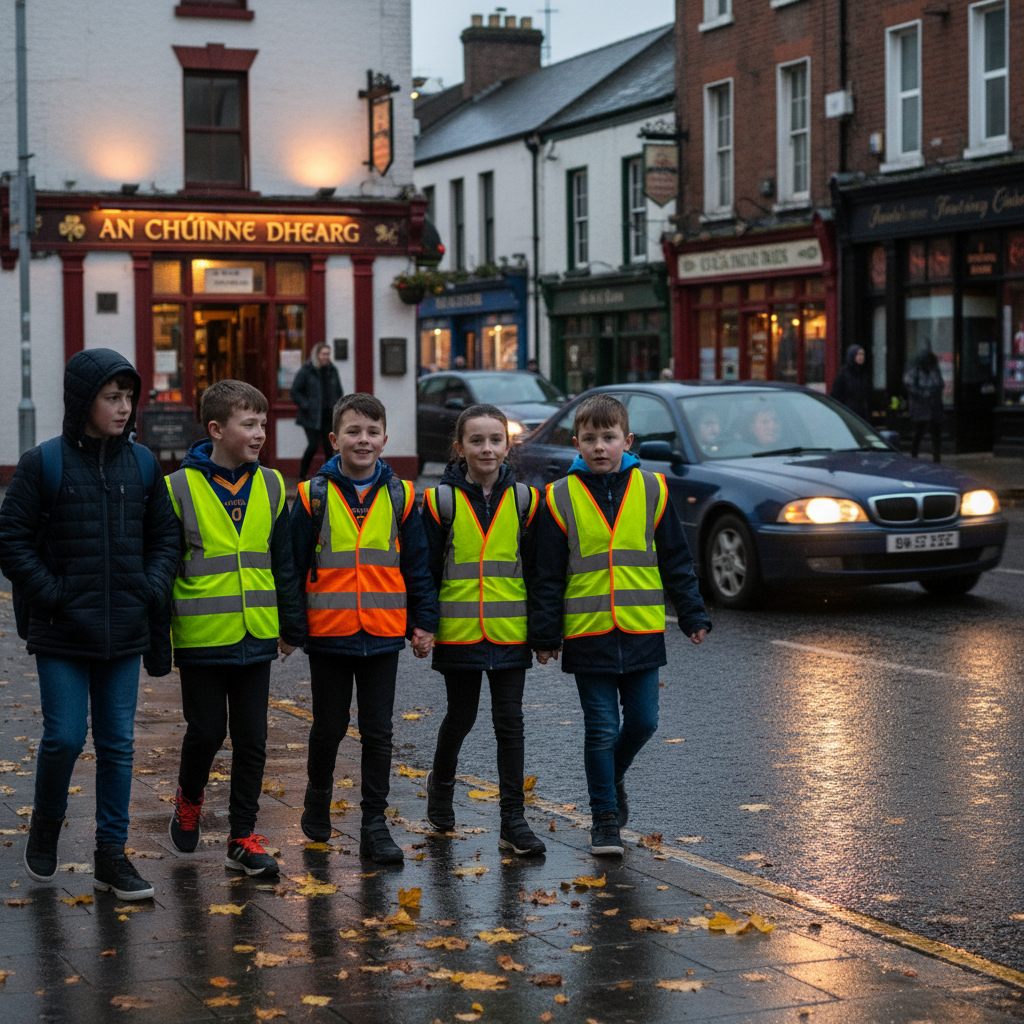
The RSA runs campaigns encouraging pedestrians, cyclists and schoolchildren to wear high‑visibility clothing so they’re easier for drivers to see, particularly in poor light. Many of these messages are sensible: anything that boosts conspicuity on dark, rainy evenings can reduce collisions.
However, critics argue that emphasising high‑vis alone can shift the focus away from the responsibilities of drivers and policymakers. The Galway councillor’s point is simple: a fluorescent vest will not stop a speeding car, nor will it address poor road design, distracted driving, or inadequate enforcement of speed limits.
Why language matters
When road safety campaigns concentrate mainly on what vulnerable road users should wear, it can unintentionally imply blame when something goes wrong. That perception is damaging because it risks reducing complex safety issues to individual choices, rather than systemic problems like vehicle speeds, road engineering, and driver behaviour. Good campaigns should balance advice for pedestrians and cyclists with clear responsibility for those behind the wheel.
What drivers and learner drivers should focus on
Whether you’re a newly licensed driver on your first solo trips or an experienced motorist, safety is a shared responsibility. The RSA’s visibility advice is useful, but as drivers we must do more. Here are practical, Ireland‑specific actions to prioritise:
- Slow down — adjust your speed for weather, light and road type. On narrow country roads and near schools, lower speeds save lives.
- Watch for vulnerable road users — pedestrians, cyclists and children can appear suddenly, especially at dusk or in heavy rain common in the west of Ireland.
- Avoid distractions — mobile phones, heavy in‑car conversation or tech can cost fractions of seconds that make the difference in an emergency.
- Check mirrors and blind spots — especially when turning on rural roads or passing parked cars in towns like Galway city.
- Respect school zones and buses — children step out unpredictably. Expect the unexpected near schools and bus stops.
- Keep vehicle maintenance up to date — lights, tyres and brakes are essential, especially in winter conditions.
Tips for learner drivers in Ireland
- Always practise with a fully qualified supervisor and display your L plate clearly.
- Learn to judge stopping distances in wet conditions — our west coast weather can make roads slippery quickly.
- Get comfortable with urban and rural driving — Galway drivers need both, from city roundabouts to narrow country lanes.
- Practice low‑speed hazard perception: look for pedestrians near hedgerows, cyclists on the shoulder, and farm vehicles on secondary roads.
- Use a designated learner driver plan with your instructor that covers night and bad‑weather driving.
Balancing visibility with systemic change
High‑vis clothing can and does reduce some risks. It’s a sensible, low‑cost measure for pedestrians and cyclists, especially schoolchildren and those walking near busy roads. But to meaningfully reduce fatalities and serious injuries, that advice must sit alongside:
- stronger enforcement of speed limits,
- safer road design (footpaths, crossings and cycle lanes),
- continued public education aimed at drivers, and
- vehicle standards and maintenance checks.
Policymakers and road safety organisations should make that combination clear. Messaging that balances personal precautions with structural responsibility will be more effective and fairer to victims.
Conclusion
The Galway councillor’s criticism reminds us that road safety is not just a checklist for vulnerable users. Visibility equipment like high‑vis vests plays a role, but it won’t replace sensible driving, good road design, and proper enforcement. For learner drivers and experienced motorists alike, the safest approach is a mix of personal care, respect for others on the road, and support for measures that reduce speeds and improve infrastructure across Ireland.
If you’re learning to drive, schedule a session focused on hazard awareness and rural driving — they’re invaluable around Galway and further afield.
Source – https://news.google.com/rss/articles/CBMimAJBVV95cUxOQV9kV1RVQ1JKRHZtWHhkN2tFcFNxYnhVSGRYaFJyM0kweGNZNmZMZGpnUUNVLUYtYmN2NDRqZ0JUc1NpdlpKZXU0UF9peEZIMHRNT3BXQkFHRUNER0tCSHVoQzNIc29ZRVppS3V6NklGM2xfRFFWZFVuam1Pd0NJTi1HdXYxOVJlY1NRbFNmaVkwT0E0MVNyUk05UTdTMkZFMnluSnduMzl4WnVoVEJhX0t5VjdtRkZoQ1pJdnE2ZzJDX01kbFd3anAtdVFmTHpNSDlFNTFGRExpdTVpM3NVZnplQTlKNDI0SHhZS3ZJZ0xpQ2ZJbGVnYjE3aE9hZDkwVmlMLWlqYzBXbVUzaUhjMFFHLWFoWjlj?oc=5