Introduction
Representative groups from the haulage sector have written to local councillors asking them to table motions of no confidence in the Road Safety Authority (RSA). The move highlights rising frustration over testing and licensing delays, and the knock-on effects for drivers, businesses and the supply chain across Ireland. In this post we break down the situation, explain what it could mean for you, and share practical tips for learner drivers navigating the system.
What’s happened and why hauliers are concerned
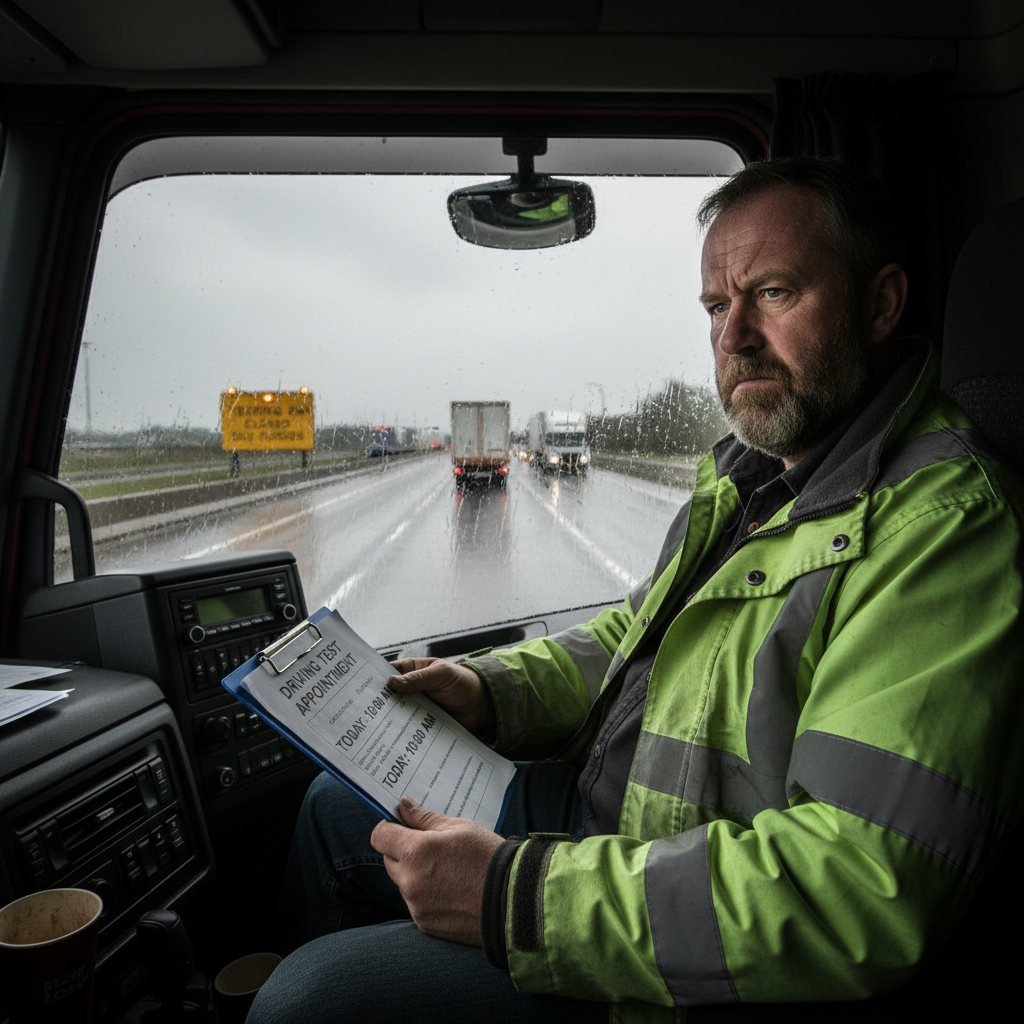
Hauliers say the current approach to driver testing and licensing is causing serious delays and uncertainty. While the RSA is responsible for overseeing driving tests, licence issuance and road safety standards, those working in the transport sector argue that long waiting lists and administrative backlogs are impacting recruitment and the day-to-day running of fleets.
The request to councillors to submit no-confidence motions is a political step — it aims to put pressure on decision-makers to force rapid change. For many hauliers this is not just about inconvenience: it’s about lost work, higher costs and difficulty keeping trained drivers on the road. Whatever your view of the politics, the practical impact on drivers and learner permit holders is clear.
How this can affect drivers and learner permit holders
Whether you’re learning to drive a car or aiming for a professional licence (Category C/CE etc.), delays in testing and administration can be frustrating. The most immediate effects people may experience include:
- Longer waits for practical test appointments, particularly for HGV and bus categories.
- Delays in receiving new or upgraded licences, which can hold up employment or contract work.
- Business pressure on drivers to cover extra shifts; increased stress and potential safety risks if drivers are rushed to meet deadlines.
It’s worth remembering that the RSA’s remit includes maintaining road safety standards across the country. Any political action or organisational change would still need to keep safety front and centre — testing standards and medical checks are there for good reasons, especially on Irish roads where weather, narrow rural lanes and busy roundabouts present unique challenges.
Local touches to consider
Driving in Ireland isn’t the same everywhere. From Dublin’s M50 traffic to winding county roads in Galway or Kerry, learner drivers and newly qualified HGV drivers must be prepared for varied conditions. Seasonal weather — rain, mist and winter ice — can make even familiar routes demanding. That’s why planning, quality instruction and realistic timetables are so important.
Practical tips for learner drivers in Ireland
If you’re a learner permit holder or preparing for a professional driving test, here are some practical steps to reduce disruption and boost your readiness:
- Book early and be flexible: If you can accept cancellations or alternative times, you’re more likely to secure a sooner date.
- Keep paperwork up to date: Ensure medicals, theory test passes and documentation are complete before applying for practical tests.
- Choose quality tuition: Experienced instructors know local test routes and common pitfalls — investing in lessons reduces retests.
- Practice in real conditions: Get experience on motorways, roundabouts and rural roads, and in wet weather if possible.
- Prepare for HGV specifics: For Category C/CE learners, practise coupling/uncoupling, vehicle checks and reversing exercises regularly.
- Stay informed: Keep an eye on RSA announcements and local council communications in case procedures change.
What we can expect next
Political motions of no confidence are a way to escalate concerns, but they don’t immediately change how testing is delivered. What they can do is focus attention on the issues and potentially speed up reviews or resource decisions. For drivers and employers, the best approach is to be proactive: plan for delays, keep training on track, and communicate early with employers about expected timelines.
Conclusion
The recent letter from hauliers to councillors underlines growing frustration with testing and licensing delays affecting drivers across Ireland. While the politics unfold, learners and professional drivers should focus on preparation, paperwork and staying flexible. If you’re preparing for a test, choose experienced instruction and build real-world driving time into your learning plan — that way you’ll be ready regardless of how administrative issues are resolved.
For help with practical driving skills, test preparation or advice on upgrading licences, Epic Driving School is here to support learner drivers across Ireland.
Source – https://news.google.com/rss/articles/CBMizAFBVV95cUxPSlpJT2d1ZUJrWmZBR3Z3eE9MbjNHVnIzZlcxclZXc0FPLVlUU2Z0NjlfdG1wSGwyVGRkWVBUZXpFY25PTTl5VTA2a0gtTE0zNVpOQ1Y4LWJYQjFnblFreWJsOFRyQXdpU3BNRVdNbkRuMlVXUVpqTjkyNkQ0cVdzUjlOa3lyUXEzdWRlTlhvRDdra3RjTkhZeTIwY24yb2pPR3JPWFVRLTBRbkprRng2YW1yZm9OQkdRd1BQZV83U1NVYzIybXJZek40V2Q?oc=5