
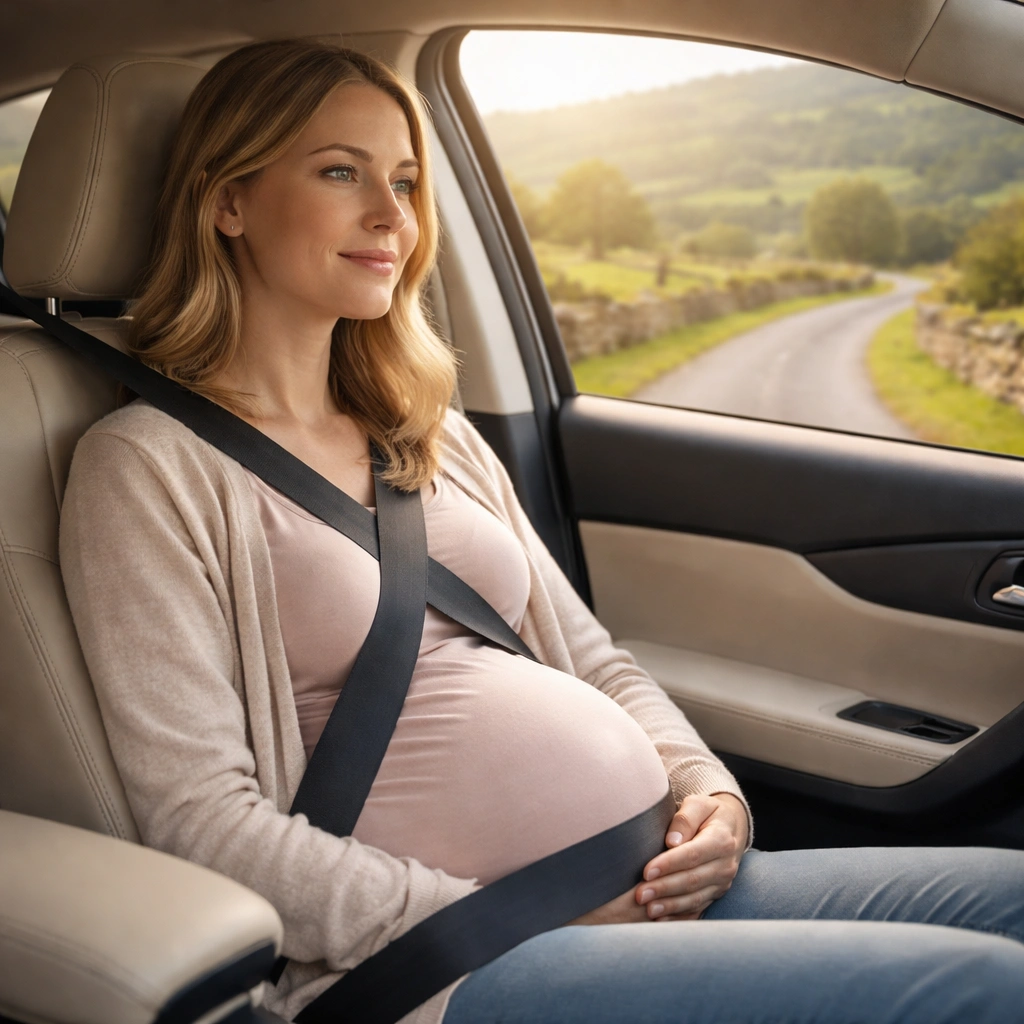
Driving while pregnant is a common concern for many expectant mothers in Ireland. Whether you’re heading to work, running errands, or attending antenatal appointments, staying mobile is important—but so is staying safe. With a few practical adjustments and a bit of planning, you can continue driving comfortably and confidently throughout most of your pregnancy.
Who This Guide Is For
This article is for pregnant drivers in Ireland who want to understand how to adjust their driving habits for safety and comfort. It’s also useful for partners, family members, or driving instructors supporting a pregnant learner or experienced driver.
Why Driving Comfort and Safety Matter During Pregnancy
As your body changes, your centre of gravity shifts, your reactions may slow slightly, and certain positions can become uncomfortable—especially during the later stages. Small changes to your driving setup can make a big difference to both your comfort and safety.
Step-by-Step: How to Drive Safely While Pregnant
1. Adjust Your Seat Position
Move your seat back far enough to create space between your belly and the steering wheel—ideally at least 10 inches (25 cm). Tilt the seat slightly backward if it helps relieve pressure on your lower back. Keep your knees slightly bent and your feet able to reach the pedals comfortably.
2. Wear Your Seatbelt Correctly
Always wear both the lap and shoulder belts—never just one. The lap belt should sit under your bump, low across your hips and pelvic bone. The shoulder strap should go between your breasts and off to the side of your belly. Avoid placing the belt across or over your abdomen.
3. Take Regular Breaks on Longer Journeys
If you’re driving more than an hour, plan to stop every 60-90 minutes. Walk around, stretch your legs, and use the loo if needed. This helps prevent swelling, stiffness, and fatigue.
4. Stay Hydrated (But Plan Toilet Stops)
Dehydration can cause dizziness, so keep water handy. Just make sure you know where the next service station or public loo is—especially on rural Irish roads!
5. Avoid Driving When Fatigued or Unwell
Morning sickness, fatigue, or general pregnancy discomfort can affect your concentration. If you’re not feeling up to it, don’t drive. Ask a partner, friend, or family member to take the wheel.
6. Know When to Stop Driving
Most women can drive safely right up until their due date, but you should stop if:
- You have severe swelling in your feet or ankles that makes pedal control difficult.
- Your bump is pressing against the steering wheel even with adjustments.
- Your doctor or midwife advises against driving.
Common Mistakes to Avoid
- Wearing the seatbelt across your belly – this can be dangerous in a crash.
- Ignoring discomfort – pain or restricted movement means it’s time to adjust or stop.
- Skipping breaks on long drives – this increases the risk of clots and fatigue.
- Driving while overly tired or nauseous – safety comes first.
What to Expect in a Lesson (If You’re a Learner)
If you’re a learner driver who is pregnant, your instructor will work with you to ensure you’re comfortable and safe. This might include adjusting the seat and mirrors at the start of each lesson, planning routes that avoid long stretches without rest stops, and giving you extra time to get in and out of the car. Let your instructor know how you’re feeling—they’ll adapt the lesson to suit your needs.
Manual vs Automatic Cars: Which Is Better During Pregnancy?
| Factor | Manual | Automatic |
|---|---|---|
| Clutch control | Requires left-foot movement & coordination | No clutch to manage |
| Comfort in late pregnancy | Can be tiring due to constant clutch use | Generally easier and less fatiguing |
| Control in traffic | More control but more physical effort | Less physical effort, especially in stop-start traffic |
| Best for beginners | Good for building full driving skills | Easier to learn, less to coordinate |
Why Choose Epic Driving School?
Epic Driving School offers patient, professional driving lessons tailored to your needs. Whether you’re a beginner or need a few refresher lessons, our ADI-approved instructors provide a calm, supportive environment. We understand that pregnancy can bring unique challenges, and we’re happy to adapt lessons to keep you comfortable and safe. With flexible scheduling and a focus on building your confidence, we’re here to help you every step of the way.
Frequently Asked Questions
1. Is it safe to drive while pregnant?
Yes, for most women it’s perfectly safe to drive throughout pregnancy with the right adjustments. Always wear your seatbelt correctly and stop if you feel uncomfortable or unwell.
2. How should I wear my seatbelt when pregnant?
The lap belt should go under your bump, across your hips. The shoulder strap should go between your breasts and off to the side of your belly—never across it.
3. When should I stop driving during pregnancy?
Most women can drive until their due date, but stop if your bump touches the steering wheel, you have severe swelling, or your healthcare provider advises against it.
4. Is an automatic car better for pregnant drivers?
Automatics can be more comfortable in later pregnancy since there’s no clutch to manage, especially in heavy traffic. However, both types are safe if adjusted properly.
5. Can I take driving lessons while pregnant?
Yes, many women take lessons while pregnant. Let your instructor know so they can adjust the car setup and plan suitable routes with rest stops.
6. What if I feel dizzy or sick while driving?
Pull over in a safe place, take a break, and don’t drive again until you feel better. If symptoms persist, speak to your GP or midwife.
7. Should I avoid long drives while pregnant?
Not necessarily, but take regular breaks every 60-90 minutes to stretch, walk, and use the toilet. This helps prevent fatigue and swelling.
8. Can driving trigger early labour?
There’s no evidence that normal driving causes early labour. However, always listen to your body and stop if you experience pain, contractions, or other warning signs.
Next Steps
If you’re feeling unsure about driving while pregnant, consider taking a refresher lesson to rebuild your confidence. A professional instructor can check your seating position, offer tailored advice, and help you feel safe on the road. Whether you’re a beginner or an experienced driver, small adjustments can make a big difference.
Remember: your comfort and safety come first. If in doubt, take a break, ask for help, or switch to passenger mode. You’ve got enough on your plate—let driving be one less worry.