Introduction
News that a man in his 40s has been killed in a road traffic collision in County Kildare is a sad reminder of how quickly life can change on our roads. Our condolences go out to the family and friends affected. While Gardaí investigate the circumstances, this incident highlights the ongoing importance of careful driving, particularly for learner drivers and newer road users.
What we know so far
According to media reports, the fatal collision happened in Co. Kildare and emergency services attended the scene. At this stage, details are limited and local Gardaí are carrying out inquiries. Road closures or delays often follow such collisions as scenes are examined and vehicles are recovered — a situation that can affect commuters and local traffic for hours.
When serious collisions occur they often involve a combination of factors: changing weather, road layout, vehicle condition, and human error. For those learning to drive or supervising learners, it’s worth pausing to consider what each of us can do to reduce risk every time we get behind the wheel.
What this means for learner drivers in Ireland
Learning to drive is an important milestone and one that comes with responsibilities. Ireland’s roads vary from fast national routes to narrow rural lanes; Kildare, like many counties, has a mix of both. New drivers should prioritise building safe habits early — habits that will protect them and other road users for years to come.
Common risk areas for learners
- Junctions and roundabouts: These are high-decision places where speed and observation matter.
- Wet and icy conditions: Irish weather can change quickly — braking distances increase and grip drops.
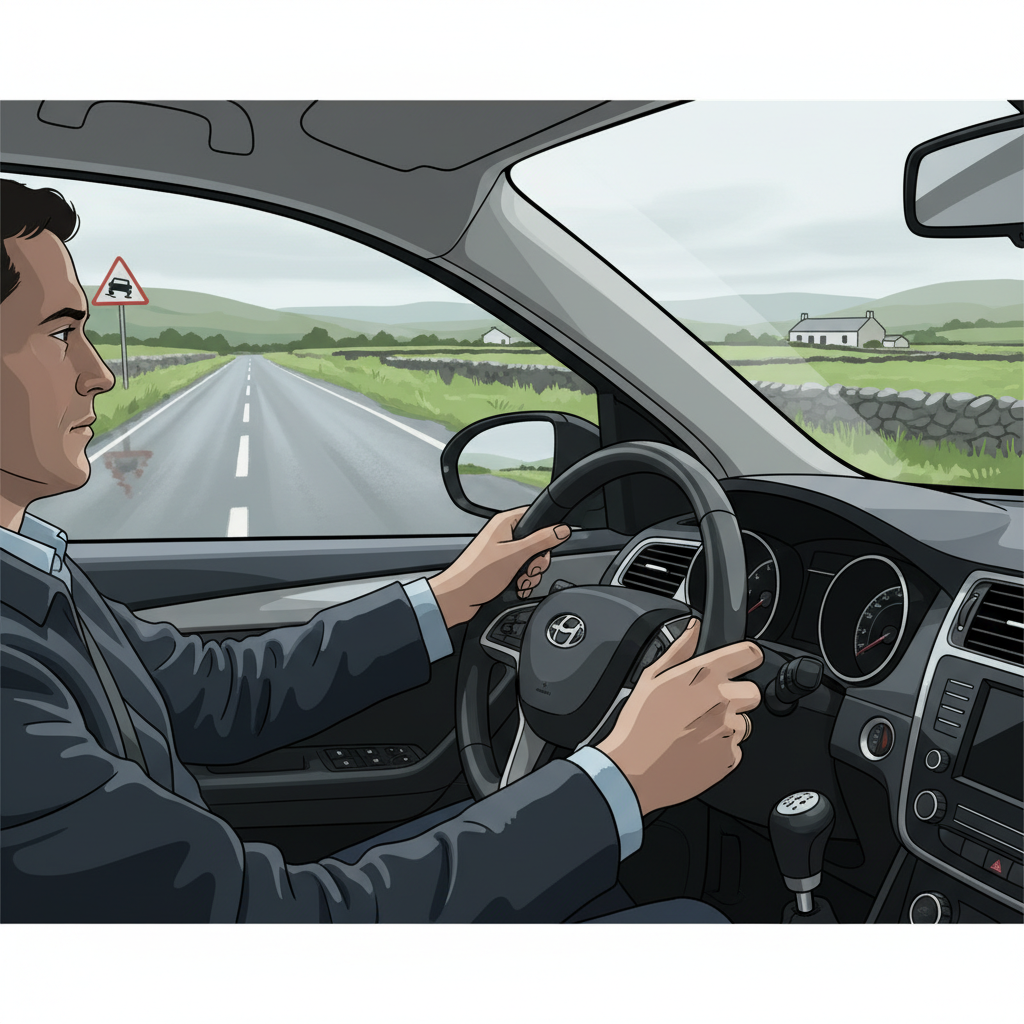
- Narrow country roads: Expect oncoming farm vehicles, cyclists and limited visibility.
- Distraction and fatigue: Mobile phones, music and tiredness reduce reaction time.
Practical tips for learner drivers
Below are practical, everyday steps learners and their supervisors can take to increase safety on Irish roads.
- Check the basics before you set off: tyres, lights, mirrors and seatbelts. A quick walk-around can spot obvious faults.
- Drive to the conditions, not just the speed limit. In heavy rain or fog, reduce your speed and increase following distance.
- Practice roundabouts and junctions with a qualified instructor or experienced supervisor until you feel confident.
- Keep distractions to a minimum. Put phones out of reach and set navigation before you move off.
- Learn defensive driving habits: anticipate other road users, scan well ahead, and expect the unexpected on rural roads.
- Regular professional lessons help build a solid foundation — consider extra lessons in different weather and road types.
- Ensure the vehicle is properly insured and meets legal requirements for learner drivers; check L-plate visibility and learner rules on the RSA website.
How communities and supervisors can help
Supervisors and local communities play a vital role in shaping safe drivers. Supervisors should offer calm, constructive guidance and expose learners to a wide variety of situations: dual carriageways, town driving, roundabouts and quiet rural lanes. Local authorities and road safety groups also run campaigns and provide resources — the RSA (Road Safety Authority) has useful guidance for learners and supervisors on hazard perception and safe driving practices.
Conclusion
Any road death is a tragedy. While we await the results of Garda inquiries into the Kildare collision, it’s a timely reminder to focus on the fundamentals of safe driving. For learner drivers, building careful, consistent habits now will pay dividends for life on the road. If you’re a learner or supervise one, take the time to review the tips above, check the vehicle, and remember that slowing down and staying attentive can make all the difference.
If you’ve been affected by this incident and need support, local community groups and Gardaí can provide information; you can also consult the RSA for official advice on learner driver requirements and road safety resources.