
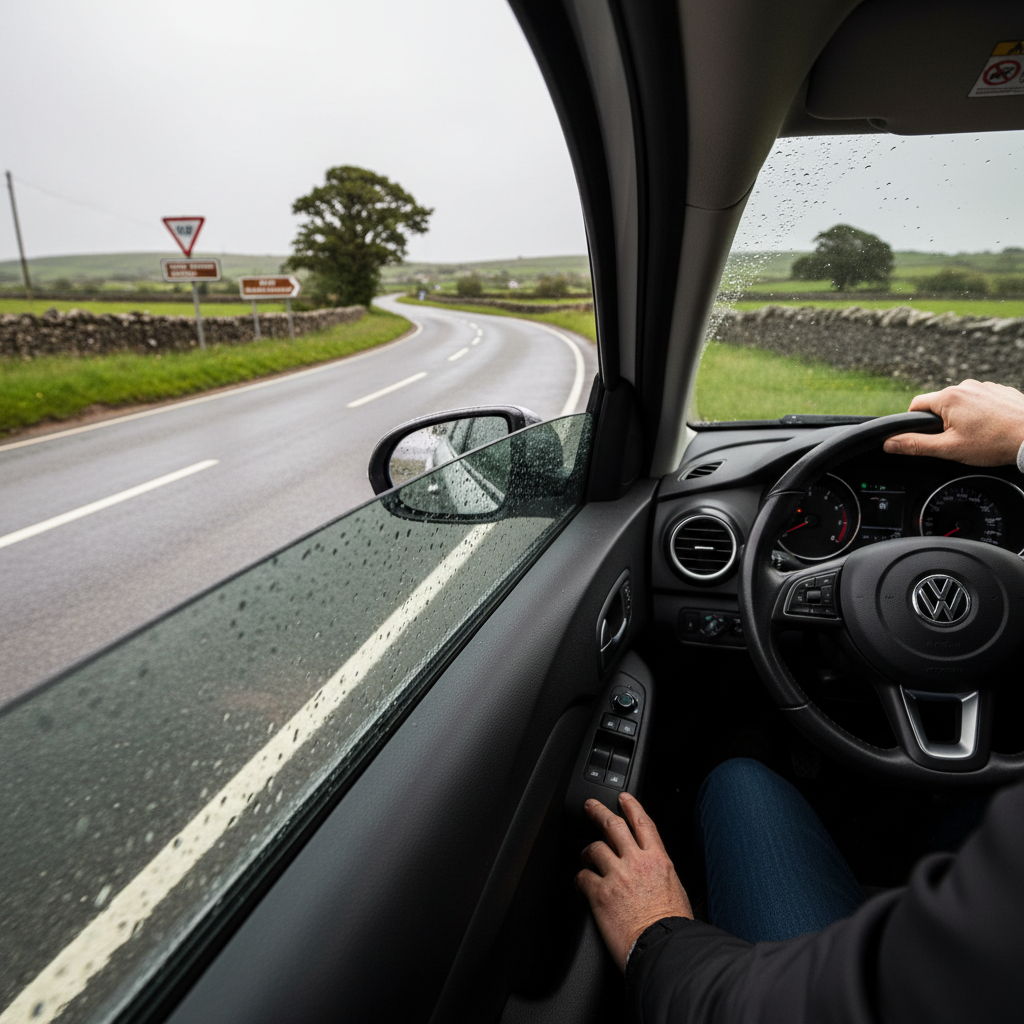
News that a 65-year-old woman has appeared in court in connection with a fatal road traffic collision in Limerick is a sober reminder of how quickly lives can change on our roads. The case is now part of the legal process and being handled by the courts and Gardaí. For learner drivers, this sort of story highlights the importance of building strong driving habits early—especially on Irish roads where weather, narrow country lanes and changing traffic patterns all add complexity.
What the report tells us
According to reports, the woman appeared before the court after an investigation into a fatal collision in County Limerick. At this stage, details are a matter for the judicial process and Garda inquiries. Fatal collisions are investigated thoroughly to establish the circumstances, cause and whether any offences have occurred. That investigation can involve collision reconstruction, witness statements and in some cases toxicology or vehicle examinations.
Why this matters to learner drivers
Even though learner drivers are often focused on passing the test, real-world incidents show why defensive driving and awareness matter from the very first time you sit behind the wheel. Ireland has a mix of urban streets, regional roads and rural lanes—each brings different hazards. A few seconds’ delay in spotting a hazard, an unfamiliar junction, or poor weather conditions can have serious consequences. Learning to anticipate, slow down, and position your vehicle safely is essential.
Road safety context in Ireland
Road safety agencies, such as the Road Safety Authority (RSA), and An Garda Síochána regularly remind drivers that speed, distraction, impairment and poor observation are leading factors in collisions. Learner drivers in Ireland use L-plates and must be accompanied by a qualified driver, which is an excellent opportunity to practise safe driving behaviours under supervision.
Seasonal Irish weather—rain, fog, and bright low sun in winter months—makes good observation and appropriate speed even more important. Rural roads often have limited visibility, narrow widths and fast-approaching tractors or cyclists. Urban areas bring pedestrians and busy junctions. Being comfortable with different environments helps reduce risk.
Practical tips for learner drivers in Ireland
Use the following simple, practical checklist when you practise driving or prepare for your driving test. These habits are valuable for everyday safety and can help avoid situations that result in severe outcomes.
- Keep your eyes moving: scan mirrors frequently and look well ahead to spot hazards early—anticipation beats reaction.
- Adjust speed to conditions: slow down for rain, fog, or narrow country lanes. Posted limits are maximums, not always safe speeds.
- Minimise distractions: put your phone away, keep music low, and focus on the task of driving—passenger conversations can wait during tricky manoeuvres.
- Practise controlled braking: learn progressive braking so stops are smooth and you retain control on wet or slippery roads.
- Learn correct positioning: on rural roads, take a position that increases visibility around bends; in town, keep clear of junction blind spots.
- Use L-plate time wisely: ask your supervising driver to run through hazard perception, mirror use, and night driving gradually before attempting the test.
- Know when to stop driving: if you’re fatigued, unwell, or under the influence, hand over the keys—this simple decision prevents tragedy.
Conclusion
Any court appearance connected to a fatal collision is a reminder that road safety is everyone’s responsibility. For learner drivers in Ireland, the best response is to treat every drive as a learning opportunity: build safe habits, respect the conditions, and listen to your instructor or supervising driver. Doing so not only improves your chances of passing the driving test but also helps keep you and other road users safe on Ireland’s roads.
If you’re preparing for your driving test or want structured practice, consider booking lessons with a qualified instructor who can help you develop the hazard perception and decision-making skills that matter most. Stay safe out there.