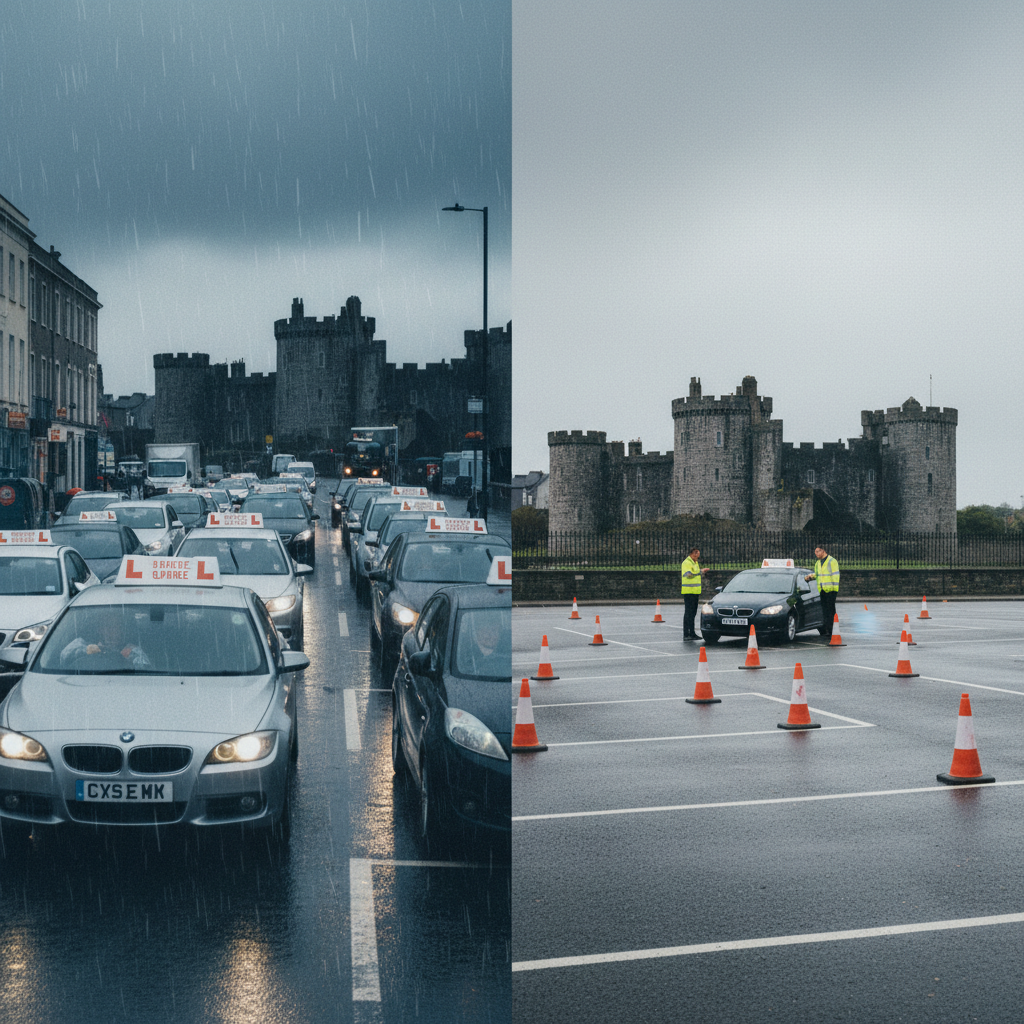
Recent coverage describing the growing number of learner drivers on Limerick roads as a ‘crisis’ has put a spotlight on the realities many learner motorists face today. Whether you’re a parent, an instructor or a learner with a green L plate, this increase affects road safety, access to lessons and the pressure on driving test availability across County Limerick and beyond.
What’s happening in Limerick?
Local representatives and driving instructors have reported a noticeable rise in learner drivers using urban and rural roads. Several factors are behind this trend: backlog for tests, more people applying for learner permits, and a stretched network of approved driving instructors. In places like Limerick city and the surrounding countryside — where narrow country roads meet busy urban junctions — this growth has been particularly visible.
Why people are seeing more learner drivers
- Post-pandemic test backlogs and appointment delays can leave learners on the road longer.
- Increased demand for lessons as people return to work, education and social life.
- Limited instructor availability in some areas, forcing learners to practice more independently.
Why this matters — safety, training and community impact
More learners on the road doesn’t automatically equal more danger, but it does change the driving environment. Learner drivers are still building hazard perception, road positioning and decision-making skills — and those skills develop best with structured lessons and varied supervised practice.
Local roads in Limerick can present extra challenges: tight country lanes, sharp bends, livestock on rural routes, and wet or foggy weather during winter months. These conditions increase the importance of high-quality instruction and patience from other road users.
There are also practical consequences for families and instructors. Longer waits for driving tests add to stress, can increase insurance costs, and may push learners to attempt more solo practice to gain experience. The end result is a greater need for clear guidance, proper supervision and support from the RSA and local councils.
Practical tips for learner drivers in Ireland
Whether you’re just starting lessons in Limerick or preparing for your test, these tips can keep you safer and help build confidence:
- Stick to supervised practice: Spend as much time as possible with a qualified instructor or an experienced supervisor. Structured feedback accelerates learning.
- Know the rules: Keep up to date with RSA guidance for learner permits, rules of the road and test requirements.
- Practice varied routes: Learn on both urban streets and rural roads — Limerick’s mix of conditions is ideal for developing all-round skills.
- Work on hazard perception: Scan ahead, read road signs early, and anticipate the actions of cyclists, pedestrians and livestock on country roads.
- Drive in different weather: With Irish weather being unpredictable, get supervised experience in rain, low-light and windy conditions when safe to do so.
- Manage nerves: Use breathing techniques, rehearse routes with your instructor, and remember that nervousness is normal — calm, consistent practice helps overcome it.
- Book lessons early: If test slots are limited, regular lessons keep skills sharp and improve your chance of passing when a test becomes available.
Advice for parents and supervisors
Be patient and set realistic expectations. Choose quiet times and quieter roads for early practice and gradually introduce more complex driving environments. Consider investing in additional lessons with an ADI (Approved Driving Instructor) if test waits are long.
How local authorities and learners can respond
Community-level solutions help everyone. Local authorities can work with the RSA and the network of instructors to increase capacity, improve test scheduling, and promote safe supervised practice. Learners can help by preparing thoroughly for lessons, keeping records of supervised hours, and using official RSA materials to guide their practice.
Final thoughts
The rise in learner drivers in Limerick is a moment to focus on better training, flexible test provision and community patience. If you or someone you know is learning to drive, take advantage of qualified instruction, practise purposely and respect the varied driving conditions across the region. With the right approach, we can turn this challenge into an opportunity for safer, more confident drivers on Irish roads.
Source – news.google.com