The Road Safety Authority has renewed a clear warning: drivers in Ireland are legally required to report certain medical conditions that could affect their ability to drive safely. The list covers 23 conditions, and failing to notify the appropriate authorities can lead to penalties and put other road users at risk. Whether you’re a fully licensed motorist or a learner driver preparing for your test, it’s important to understand what to do and where to get help.
Why reporting medical conditions matters
Driving safely depends on physical and cognitive fitness. Some medical issues—such as seizures, significant vision problems, heart conditions, strokes, or some neurological or sleep disorders—can suddenly affect judgment, reaction time or consciousness behind the wheel. Reporting your condition allows the RSA and your doctor to assess whether you can continue to drive, need restrictions (for example, daylight-only driving), or require an assessment or treatment plan before you return to the road.
There are a few practical reasons to report:
- Protect other road users and yourself by ensuring you’re safe to drive.
- Comply with legal and insurance requirements — not reporting can jeopardise insurance cover in the event of a crash.
- Access appropriate medical advice and return-to-driving guidance from your GP and the RSA.
What you need to do and who to contact
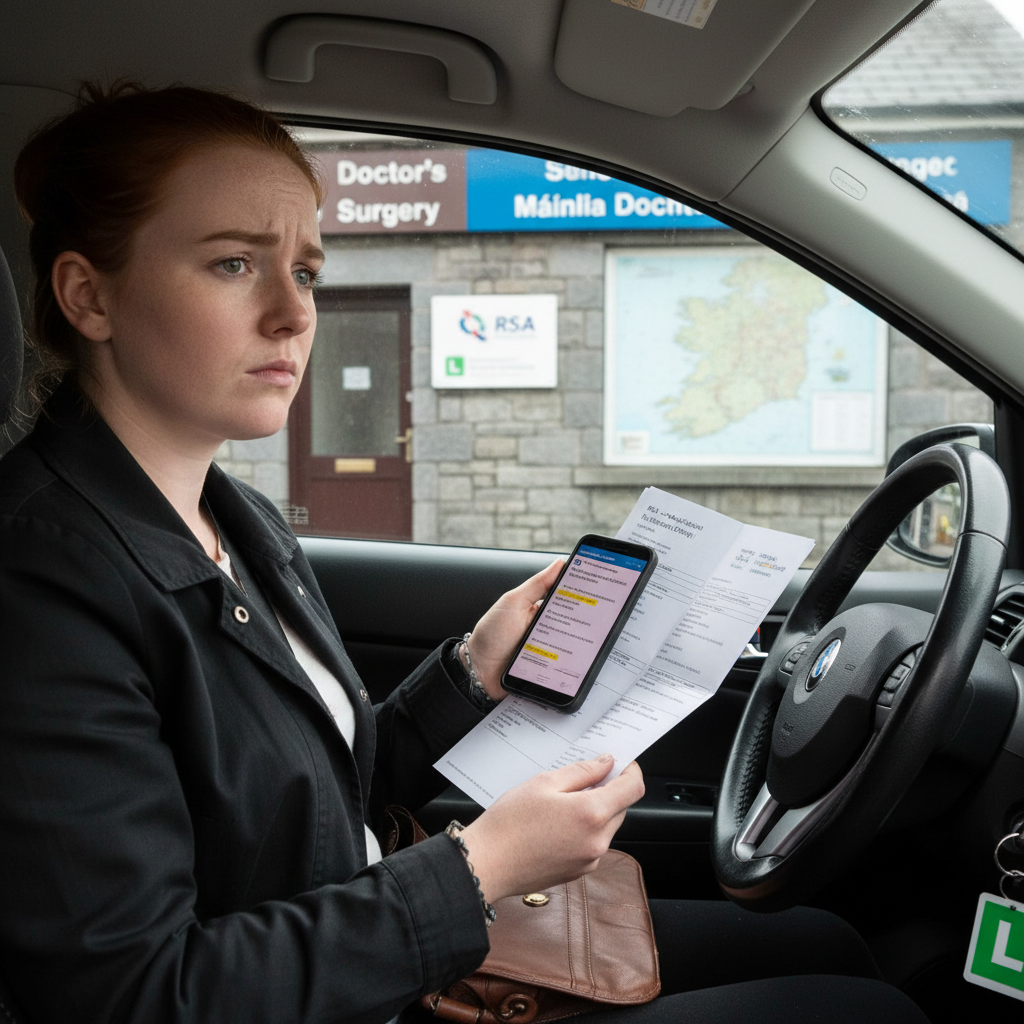
If you have, or are diagnosed with, a condition listed by the RSA you should start by talking with your GP. Your GP can advise whether the condition needs to be reported and can complete any medical reports required by the RSA. In many cases the RSA will ask for a medical report or may arrange a driving assessment to determine fitness to drive.
Key steps:
- Speak with your GP as soon as you have a diagnosis or symptoms that could affect driving.
- Follow the medical advice given about driving restrictions, treatment and follow-up.
- Notify the Road Safety Authority (RSA) when advised — they will guide you through any necessary assessments, restrictions, or licence changes.
Notifying the RSA does not automatically mean you will lose your licence. Often drivers receive tailored advice, temporary restrictions, or follow-up checks. The goal is to balance mobility with safety.
Consequences of not reporting
Failing to notify the RSA about a relevant medical condition can have serious consequences. Aside from the obvious safety risks, there may be legal and insurance implications if you are involved in a collision while driving with an unreported condition. The RSA can issue penalties for non-compliance, and insurers may refuse a claim if they find a driver withheld pertinent medical information.
Practical tips for learner drivers in Ireland
If you’re learning to drive or preparing for your driving test, it’s worth being especially proactive about medical fitness:
- Be honest at your learner permit application stage about any medical conditions — some require documentation or a medical assessment before a permit is issued.
- Discuss any new diagnosis with your instructor and GP so lessons and test bookings are planned safely.
- Remember that conditions can change quickly, so keep paperwork (medical letters, RSA correspondence) organised and accessible.
- If you take medication that causes drowsiness, avoid driving and ask your GP about alternatives or timing to reduce risk.
- Practice defensive driving, especially on Irish roads where weather, narrow rural lanes and changing light can compound other problems.
Local context and common questions
Many people worry about losing independence if they report a condition. The RSA’s aim is not to remove mobility unnecessarily but to manage risk. For many conditions, sensible measures such as restricted hours, periodic medical reviews, or treatment can allow safe driving to continue.
If you’re unsure whether your condition is on the list of 23, or how to proceed, the easiest first step is a frank conversation with your GP. They can tell you what needs to be passed on to the RSA and help arrange any specialist reports. If you live outside Dublin and rely on a car for work or family duties, planning ahead and understanding the process can prevent sudden disruptions.
Conclusion
Reporting medical conditions that affect driving is about keeping everyone on the road safer — and avoiding tough legal or insurance problems later on. Be proactive: talk to your GP, follow medical advice, and contact the RSA if told to do so. For learner drivers, good communication with your instructor and GP will keep your learning on track and ensure you meet all requirements when you reach test day.
Source – news.google.com