
Introduction
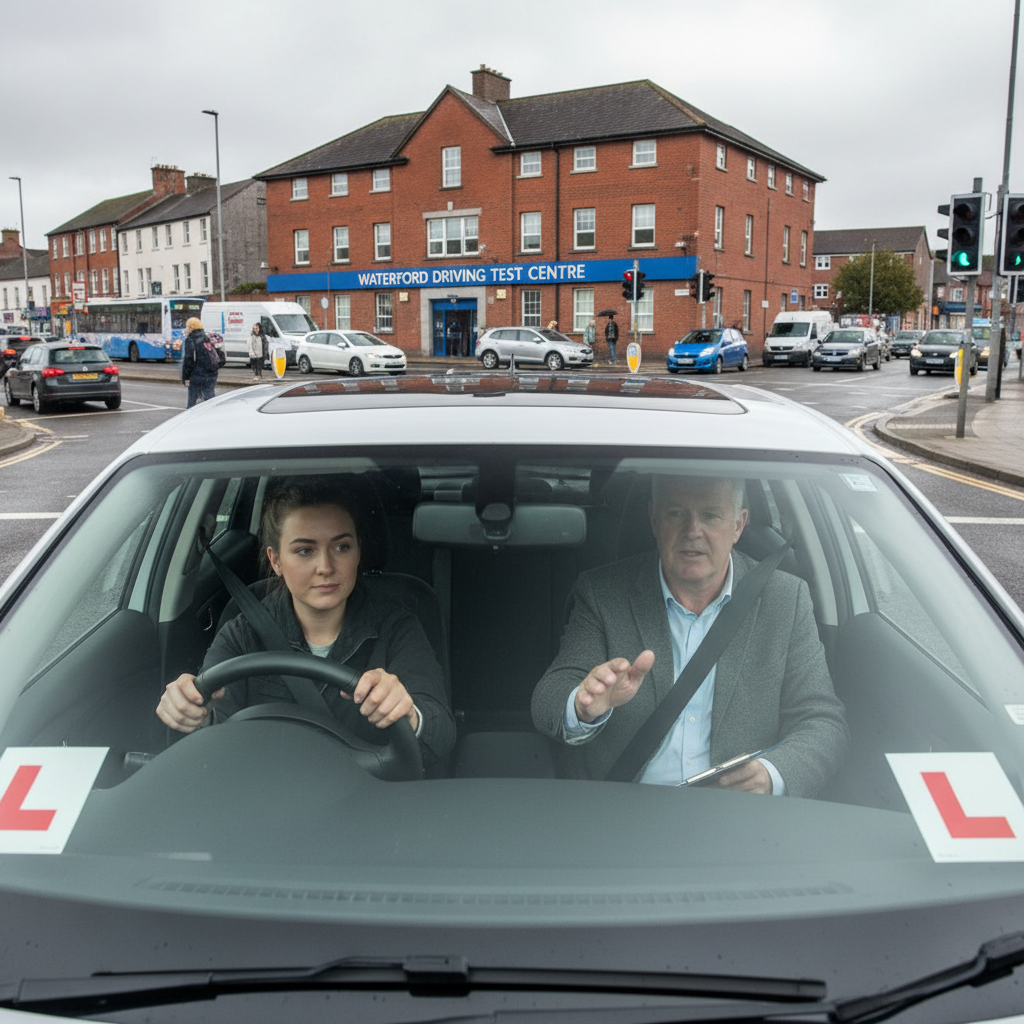
Recent figures reveal that the pass rate at the Waterford driving test centre has fallen to its lowest level in more than 14 years. That can sound worrying if you’re booked in for a test or planning to apply, but there are sensible steps you can take to improve your chances. In this post we explain the local context, explore likely reasons behind the dip, and give practical, Ireland-specific tips to help learner drivers prepare.
What’s happening in Waterford?
The latest data shows a clear drop in the proportion of candidates passing their driving test at the Waterford centre. While this is the lowest recorded pass rate in over a decade, it’s important to remember that figures fluctuate across test centres and over time. Local demand, examiner availability, and seasonal conditions all play a part.
Waterford serves a mixture of urban and rural learners — from city streets and roundabouts in Waterford city to regional routes like the N25 and narrow back roads in county locations. That variety can make tests more challenging for some candidates, depending on the route they’re taken on the day.
Why might pass rates have fallen?
- Higher demand and backlog: More learners returning to testing after delays can increase competition and pressure on the system.
- Examiner shortages or scheduling changes: Fewer examiners or reorganised test slots can lead to different test conditions and timings.
- Weather and road conditions: Frequent rain, strong winds near the estuary, and winter light conditions can make practical driving tests tougher.
- Changes in driving habits: Less day-to-day mileage during lockdowns and more reliance on supervised tuition may have reduced independent driving experience for some learners.
None of these are insurmountable — they’re factors to plan around rather than reasons to panic.
What this means for learner drivers in Waterford
If you’re preparing for your test, the headline results don’t change the fundamentals: solid preparation, good practice, and the right mindset are what matter. Tests are designed to ensure new drivers are safe and competent on Irish roads, so focusing on the RSA syllabus and real-world driving experience remains key.
Practical tips to improve your chances
Below are practical, Ireland-focused tips that many learners find helpful — whether you’re in Waterford city or the surrounding county.
- Complete your Essential Driver Training (EDT) and take extra lessons if needed. EDT gives you structured learning and helps build habits examiners look for.
- Practice at different times of day and in varied weather. Drive in rain, bright sun, and lower-light conditions so you’re comfortable handling lights, wipers, and visibility issues.
- Get familiar with local test routes. Ask your instructor about common roads around the Waterford centre—roundabouts, dual carriageways like parts of the N25, and tighter residential streets are often used.
- Refine manoeuvres to test standard: bay parking, reverse park, and controlled stops. Practise them calmly until you can perform them reliably without over-thinking.
- Work on observation and signalling: a lot of test demerits come from poor observation or late signalling. Check mirrors frequently and make your intentions clear to other road users.
- Simulate test conditions with mock tests. Have your instructor or a qualified supervisor run a practice test so you experience the structure and pressure of the real thing.
- Stay legal and calm: carry your learner permit, ensure L-plates are displayed, and arrive early. A few deep breaths and a clear head make a big difference on test day.
Support and next steps
If you do not pass first time, remember that the test is only one part of learning to drive. Use the feedback you receive to focus your practice. Many successful drivers required more than one attempt. Consider:
- Extra lessons with a local instructor who knows Waterford routes well.
- Targeted practice sessions on weak areas identified by the examiner.
- Booking a test at a different time or season if local conditions are a factor — for example, avoiding rush-hour routes if you’re anxious about traffic.
Conclusion
While the recent drop in the Waterford pass rate is noteworthy, it’s not a reason to give up. With focused preparation, realistic practice on local roads, and a calm approach on test day, you can significantly improve your chances. Treat the test as a final check of safe-driving habits rather than a make-or-break event — that attitude helps more than you might expect.
Good luck to everyone preparing for their driving test in Waterford — keep practising, stay safe on Irish roads, and use the feedback you get to get better.
Source – news.google.com